


How to Become an Event Planner: 17 Tips to Break Into the Industry
So, you want to become an event planner? Whether you’ve been organizing parties for friends or you’re ready to turn your creativity into a career, you’re probably wondering how to become an event planner and where to even begin. The truth is, breaking into the industry can feel both exciting and overwhelming.
The good news? You don’t need a degree or years of experience—just passion, drive, and a few practical steps. In this guide, we’ll walk you through 17 no-fluff tips to help you start strong and build a career you’re proud of.
Do you need a degree to be an event planner? Not necessarily.
Here’s the truth: you don’t need a degree to be an event planner—but that doesn’t mean you don’t need training. Many successful planners come from different backgrounds: marketing, hospitality, design, or even completely unrelated fields. What matters most is hands-on experience, resourcefulness, and a solid understanding of how events work from the inside out.
That said, if you love studying or want to boost your credibility, degrees in event management, communications, or business can definitely help. And there are plenty of short courses, online certifications, and workshops designed to match event planner training needs without the time (or cost) of a full degree.
The bottom line? Focus on learning, not labels. Experience + practical training = your strongest foundation.

Practical Steps to Start Your Event Planning Journey
Breaking into the event industry doesn’t happen overnight—but it also doesn’t require a degree or a long résumé. With a mix of action, curiosity, and hands-on experience, you can start building real skills and momentum from day one.
1. Start with why
If you’re wondering how to get into event planning without a formal degree or experience, the answer is simpler than you think: just start small, build skills, and say yes to opportunities that come your way. Before anything else, ask yourself why you want to become an event planner.
Is it creativity? The fast-paced vibe? The satisfaction of pulling off unforgettable moments? Knowing your “why” will keep you grounded when things get hectic—and trust us, they will.
2. Plan events—even if they’re unpaid
You don’t need a big-budget wedding to prove your skills. Help plan a friend’s birthday, a school event, or a community gathering. These smaller gigs are gold when you’re building confidence, learning on the fly, and collecting photos for your future portfolio.
Even if your background is in retail, hospitality, or admin work—you’ve likely built valuable skills like multitasking, communication, or handling high-pressure situations. These are gold in event planning.
Many planners start with a favor for a friend or family member—and that’s more than okay. Those early experiences can still teach you the core of what it takes to become an event planner: adaptability, people skills, and hustle.

3. Build your event-day mindset
Event planning is part creativity, part crisis management. You’ll need to think fast, stay calm, and smile through last-minute changes. The more events you work on, the better you’ll get at adapting under pressure—and that’s what makes a true pro.
Here’s how to start building that rock-solid mindset:
- Master the art of the “calm nod”. When someone tells you the keynote speaker just missed their flight, resist the urge to panic. Nod like you’ve heard this a hundred times (you eventually will), then get to work on Plan B.
- Treat your to-do list like it’s sacred. Not just one list—have a printed copy, a digital version, and one written on your hand if needed. When chaos hits, your list becomes your lifeline.
- Practice solving fake problems. Imagine a power outage during a speech or rain at an outdoor wedding. What would you do? Play out scenarios in your head or with a friend. It’s like a mental gym for planners.
- Dress like a ninja. Not only does black hide coffee stains and sweat, but it also helps you blend in while you work your magic behind the scenes. Bonus points if your shoes are quiet and comfy.
- Develop a “show must go on” attitude. Even if the cake melts or the projector dies, the event must still wow the guests. Laugh when you can, fix what you must, and keep the energy moving forward.

4. Learn the basics of budgeting and timelines
Great ideas don’t matter if you blow the budget or run out of time. Get familiar with spreadsheets, task trackers, and budget templates. You don’t need to be a finance expert—just organized enough to keep all the moving pieces under control.
Free Tools Every New Event Planner Should Know
- Canva – For making mood boards, invites, or social posts
- Grammarly – For writing emails and proposals with confidence
- Social Tables – For floor planning, diagrams, and guest management
- Trello or Asana – For keeping event tasks on track
- LED Strip Studio – Our go-to software for LED choreography (great for planners working with performance tech)
5. Follow event planners you admire
Instagram, LinkedIn, YouTube—follow the pros who are already doing what you want to do. Watch how they promote their events, what tools they use, and how they talk to clients. It’s free inspiration and a low-key way to start understanding the industry.
And don’t forget—event inspiration isn’t limited to planning checklists or table setups. Incredible performances like Tron Dance—with LED suits, synchronized choreography, and immersive visuals—can be the showstopping highlight of an event you design. If you’re curious how it all comes together, check out our Tron Event Agency YouTube channel for behind-the-scenes videos, full performances, and creative ideas to spark your imagination.
6. Learn to love logistics
Behind every beautiful event is a mountain of to-do lists, timelines, contracts, and check-ins. Great event planners don’t just dream up ideas—they know how to bring them to life, step by step. Start getting comfortable with the less-glamorous side of the job: vendor coordination, permits, guest lists, and backup plans.
7. Get comfortable with tech tools
From floor plan software to scheduling apps and budgeting platforms, tech is a planner’s best friend. Explore tools like Trello, Canva, HoneyBook, or Eventbrite. Even a well-organized Google Drive can save your sanity when juggling multiple clients or events.
8. Volunteer at different types of events
Weddings, corporate launches, festivals, charity galas—they all have different vibes and demands. The more variety you experience, the more confident and versatile you’ll become. Volunteering lets you test the waters, build your network, and figure out what kind of events you love most.
Tip: Since we’re talking about weddings, check out our Wedding show.

9. Practice communication like a pro
You’ll be talking to vendors, clients, performers, venues, and guests—sometimes all in one day. Clear, confident communication keeps everyone on the same page and avoids costly mistakes. Whether it’s an email, call, or last-minute text, your words can keep the whole event running smoothly.
Here’s how to sharpen your skills:
- Say it like you mean it. Be polite, but firm. If the florist shows up with red roses instead of white, now’s not the time to say, “That’s fine, I guess…” Say what you need—clearly and kindly.
- Keep your email game strong. Use bullet points, bold times, and clear subject lines. “Meeting Confirmed – 3PM at Venue A” is a lot better than “Quick question” when everyone’s inbox is on fire.
- Get fluent in “vendor-speak”. Learn how to talk timelines with caterers, sound checks with AV teams, and contracts with venues. Each one speaks a slightly different language—be the translator.
- Use your phone like it’s 2005. Sometimes, a five-minute phone call saves you ten confusing emails. Don’t be afraid to just dial and solve it.
- Stay cool under chaos. If someone’s yelling, crying, or panicking (and they will), your calm voice can be the anchor. Take a breath. Then speak like the pro you’re becoming.

10. Start building your portfolio
Photos, videos, mood boards, timelines—document every event you help with, even the small ones. Create a digital portfolio (a simple website or PDF works fine) to showcase your skills and style. When a client asks, “What have you done?”—you’ll have a polished answer ready.
Can’t book an event yet? Create one. Team up with local photographers, stylists, or venues and stage a mock event or styled shoot. It’s a smart, creative way to show off your skills before your first official booking.
11. Understand the importance of client trust
At the heart of every successful event is trust. Clients want to feel heard, supported, and confident that you’ll deliver. Be honest about what you can do, communicate clearly, and always follow through. A great reputation is your best marketing tool.
12. Explore different roles in the industry
Event planning isn’t one-size-fits-all. Maybe you’re drawn to weddings and wonder how you become a party planner who brings joy to every celebration. Or perhaps your strengths lie in logistics, and you’re more interested in becoming an event coordinator—the person who makes sure every detail runs like clockwork.
Then there’s the creative path: if design, tech, and showstopping visuals are your thing, you might be asking how to become an event designer. Agencies like Tron Event Agency specialize in high-tech LED shows, combining dance, lasers, and music to create immersive performances for corporate events, festivals, and ceremonies. Try shadowing or assisting different pros to find your perfect fit.
13. Network like it’s part of the job—because it is
Relationships are everything in the event world. Vendors, venues, DJs, caterers—these are the people who’ll help you bring your visions to life. Go to industry meetups, trade shows, or even join online groups where planners hang out. A great contact list can save your budget, solve last-minute problems, and open doors to new gigs.
Don’t just network in person—connect online too. Reach out to planners you admire on LinkedIn or Instagram (but always keep it personal and respectful—no copy-paste DMs). Comment, share insights, and be part of the conversation. That’s how real connections are built.

14. Stay on top of trends, but don’t chase them all
Clients love planners who know what’s fresh—be it sustainable decor, immersive experiences, or AI-powered tools. Follow industry blogs, attend expos, or scroll through Pinterest and Instagram for inspiration. But here’s the trick: don’t try to do everything. Choose trends that fit your style and your client’s needs.
15. Treat every event like your brand
Even if it’s a friend’s backyard baby shower, show up like it’s your business card. Your professionalism, attitude, and results will speak for you. Word-of-mouth is powerful, especially in this industry—one small event can lead to your next big opportunity.
16. Just start!
There’s no perfect moment, no ideal amount of prep before you’re “ready.” You learn by doing. Start small, make mistakes, ask questions, and keep going. Every planner you admire was once where you are now—curious, excited, and maybe a little unsure. But they started. Now it’s your turn.
17. Bonus Tip: Don’t Be Afraid to Rent Equipment
As a new event planner, you don’t need to own everything to create something amazing. In fact, renting equipment—from lighting and staging to specialty costumes—can be a smart, budget-friendly way to elevate your event without a massive investment.
At Tron Event Agency, we offer LED suit rentals for planners who want to add a futuristic wow-factor to their shows. You can rent up to 32 suits, and we’ll send a technician anywhere in the world to help you set them up, dress your dancers, and program the show using our custom LED Strip Studio software. No technical knowledge needed—we’ll handle all of that, so you can focus on delivering an unforgettable experience.
Perfect for:
– Corporate events
– TV commercials
– Music videos
– Sports ceremonies
– Private parties
Sometimes, renting isn’t just a workaround—it’s the smartest way to bring your creative vision to life without overextending your team or your budget. You can easily rent LED suits with software and everything needed to deliver a high-impact show that looks completely professional, even if you’re just starting out.
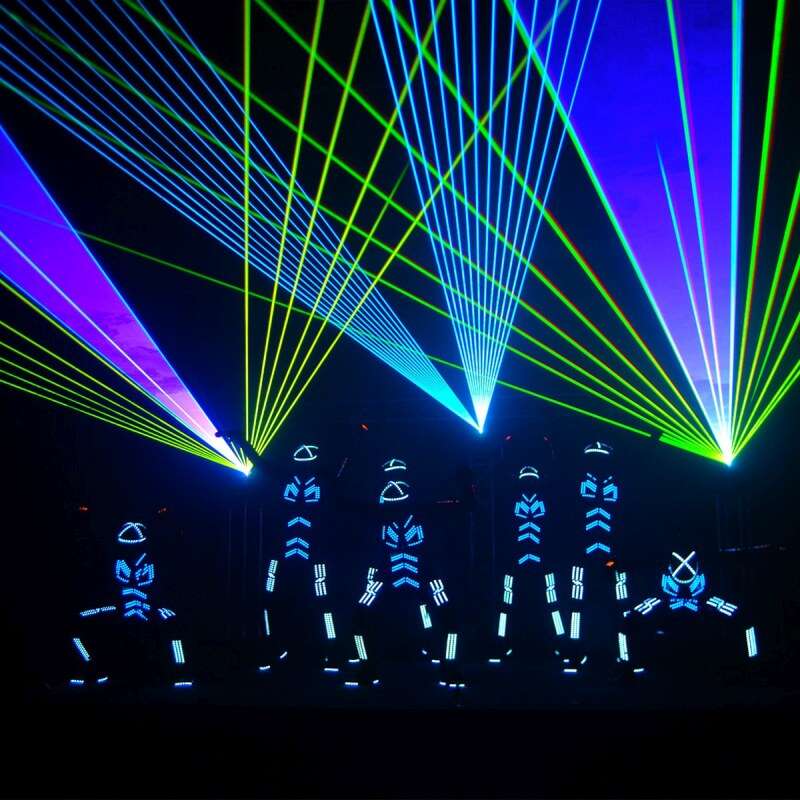
Event Planning in Action: Inside Tron Event Agency
At Tron Event Agency, we specialize in turning bold ideas into unforgettable experiences. Our passion lies in creating high-tech LED shows that blend dance, music, lasers, and light to deliver a serious WOW factor. From corporate galas and concerts to large-scale sports ceremonies and private parties, we design performances that are tailored to each client’s vision—and executed with precision.
Our lineup includes everything from Tron Dance and Tron Girls shows to live drumming acts, LED DJs, and even custom-built LED logos or stage elements. Whether we’re coordinating a five-person act or managing a show with sixty dancers, we handle every detail in-house—from choreography to costume syncing and tech programming.
Beyond performances, we also support other creatives and event planners through our LED costume rentals and sales, plus our custom-built control system powered by LED Strip Studio software. It’s taken us years to develop a complete toolkit that makes it easier for others to bring their own LED shows to life.
If you’re looking for real-world inspiration on how far event planning can go—this is it. For us, it’s all about innovation, creativity, and delivering moments your audience will never forget.
Bonus: Do You Have the Personality of a Great Event Planner?
Being an event planner isn’t just about checklists and decor—your mindset and personality play a huge role in how well you handle the job. Here are some of the top traits that successful planners share:
- Creative Thinker
You see possibilities everywhere—and you love turning a blank space into something unforgettable. - Detail-Oriented
From napkin colors to guest list accuracy, you notice the little things most people miss. - Calm Under Pressure
You don’t panic when the DJ’s late or the weather shifts last-minute. You stay cool, assess the situation, and keep things moving. - Strong Communicator
You’re clear, confident, and good at translating ideas into action—for both clients and vendors. - People Person
You enjoy working with all kinds of personalities and know how to make clients feel supported and understood. - Excellent Time Manager
You can juggle timelines, tasks, and ten different conversations without missing a beat. - Problem Solver
Things rarely go exactly as planned—and that’s okay. You’re quick to adapt and find smart solutions. - Self-Motivated
No one has to chase you. You take ownership of your work and go the extra mile because you care about the outcome.

The best part? You don’t have to be born with all these abilities—you can build them. No one starts out as a perfect planner. Confidence comes with practice, calm comes from experience, and skills like communication and time management can be improved with every event you take on. If you’re passionate, willing to learn, and not afraid to make a few mistakes along the way, you’re already on the right track. Every great event planner was once a beginner—just like you.
Ready to Become an Event Planner? Start Where You Are.
We know that breaking into the event industry can feel overwhelming at first—but trust us, you don’t need a degree, a fancy title, or years of experience to get started. What truly matters are the practical steps: gaining real experience, sharpening your organizational skills, learning how to manage budgets and timelines, and building strong industry connections.
Whether you’re starting with small parties or aiming for massive productions like the ones we create, every event is a step forward. If you’ve been wondering how to become an event planner—this is your sign. All it takes is drive, creativity, and a willingness to learn by doing. We’ve built a career from that same spark, and now it’s your turn. Stay focused, stay inspired, and go create unforgettable experiences. The event world is waiting for you.