






 How can you use our controllers to build your own suits?
The best way of building your suit is to pick analogue suits with LED strips or fiber optic cable. You can build and easily use el wire as well, but as I wrote this suit are very unreliable, so let´s stick to analogue.
You can buy the main controller from us that allows you to control up to 10 dancers in total (if you want more then 10 dancers, you need two controllers to control them at the same time). You will pick the number of receivers depends on how many LED suits you would like to build and the software is included. Expect of software, controller, and receivers you need:
- Batteries
- LED strips/fiber optic cable
- Spiral cord
- Plastic skeleton / textile
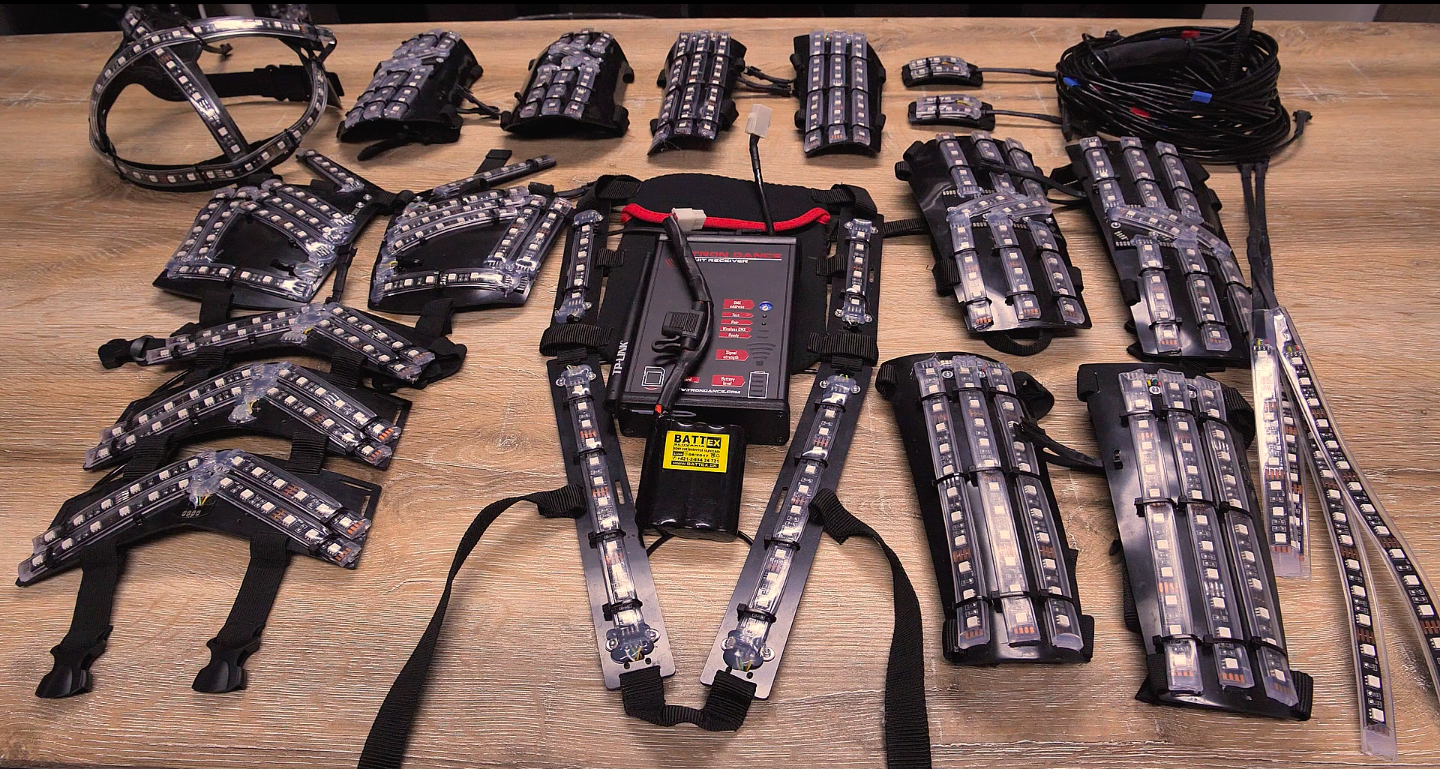
I recommend you to buy everything from us because you will be sure everything is compatible. Also, the spiral cord is very difficult to build – even we don´t do it in our company with skilled high-end technicians that are doing complex LED installations. Our spiral cords are made in a local car manufacture company that is making all wires for car doors. They have special equipment that allows them to make very durable cables on the top level but the patent for spiral cord it ours. Cables have a pre-measured size so they are custom made for our costumes.
LED strips costumes
First, you need to pick the material, where you want to place your LED strips. We recommend something tough, so LED strips cannot move a lot and are fixed properly.
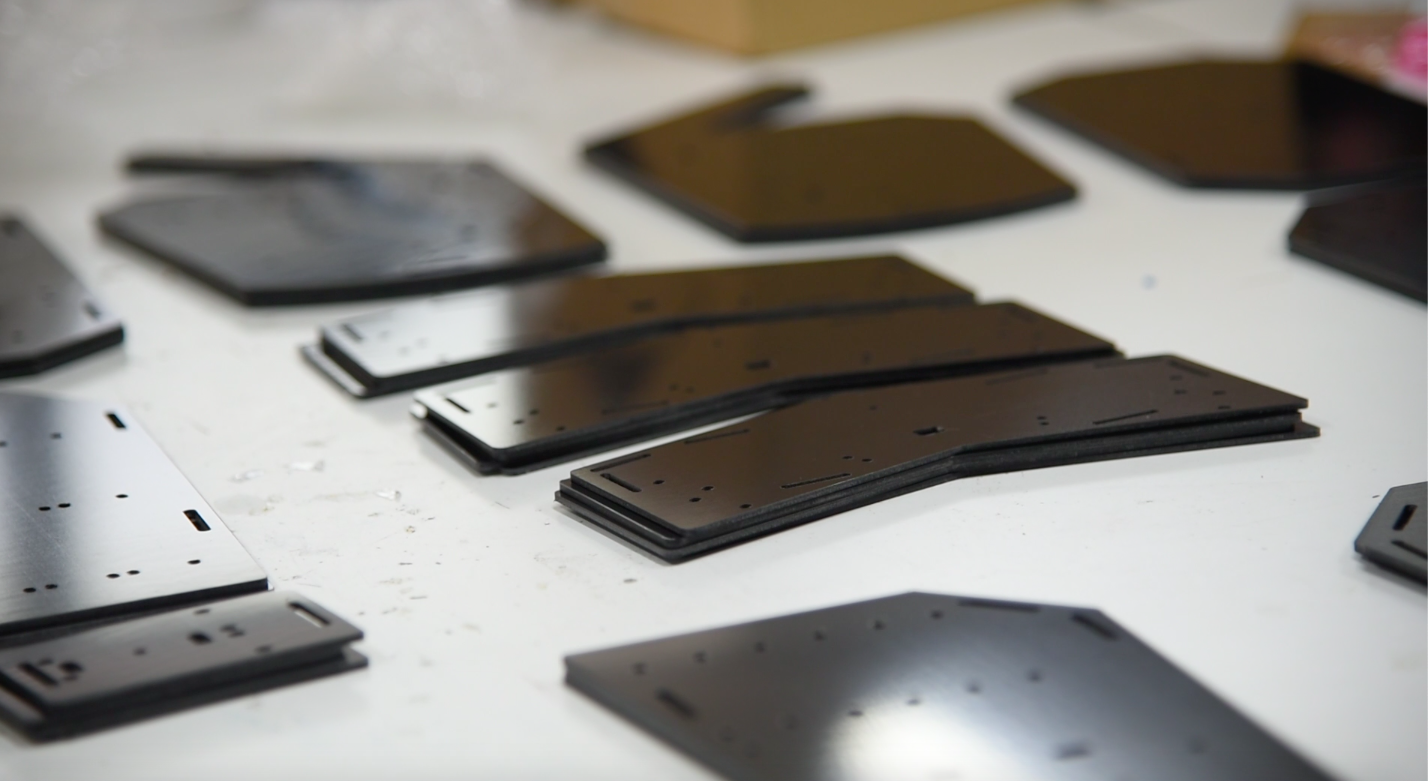
When you are picking your design and you have also bought the spiral cord from us, you need to think of the outputs. It means you can have 16 separate parts, which are pre-measured for the standard human body.
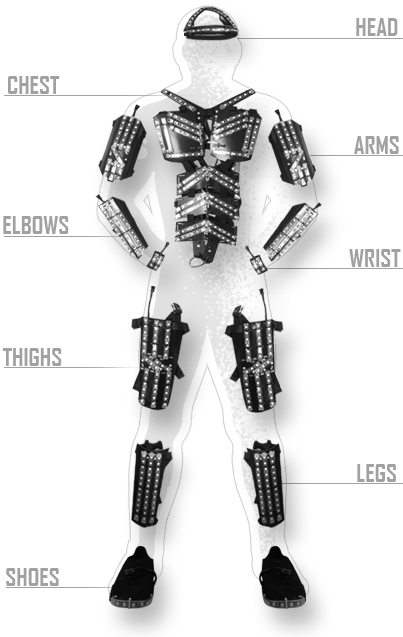
– 1 output for head
– 1 for back
– 2 for the chest and belly
– 3 for the left arm
– 3 for the right arm
– 3 for the left leg
– 3 for the right leg
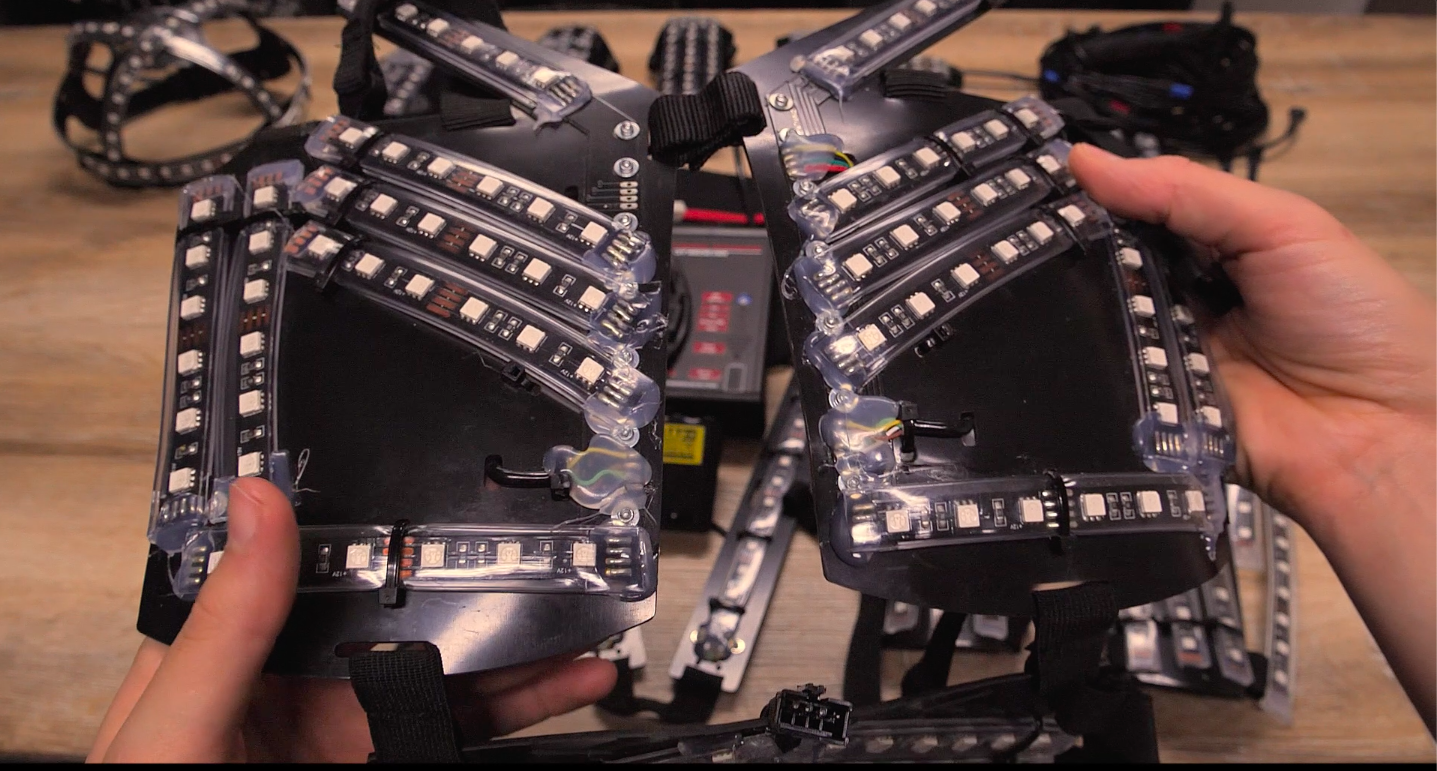
You do not need to be worried that the cables would be too short. We made our suits universal and in case someone is shorter you can always hide cables well, so it is not a problem. After you can start installing LED strips according to the design that you have chosen. I bet you will make some changes after the first prototype is done but do not panic if it does not look good immediately, designing the suit is a creative process so you need to be patient. You can use maximally 1 meter of LED strips for one output, which is plenty of pixels. The bigger problem is how to make the suits enough flexible for dancers, so they can properly dance. You need to think that every part of the human body has a different shape and the costume needs to be different as well. We made different parts of the suit for every part of the body separately. Shoulders need to have different cuts compare to legs or for the forearms. When you are done with your design, you need to think about the logistic of the PCB board. When all setups are done, and you want to reach a top quality of suits, you should cover all wires and plastic tubes with liquid silicon. Using this, it is also water-resistant (expect for connectors).
Fiber optic costume
It is quite different to make costumes of fiber optic compare the LED strips. I think it is easier to make fiber optic costume mainly because it is easier to work with it.

If you buy fiber optic and LED diodes separately it can happen that you cannot fit it together due fiber optic have different diameters and your LED diode may not fit there properly. Also, you need to think about LEDs that glow up your suits. In fiber-optic suits, it is only one main diode for each fiber optic that is making RGB colors. In LED strips you have many small diodes.
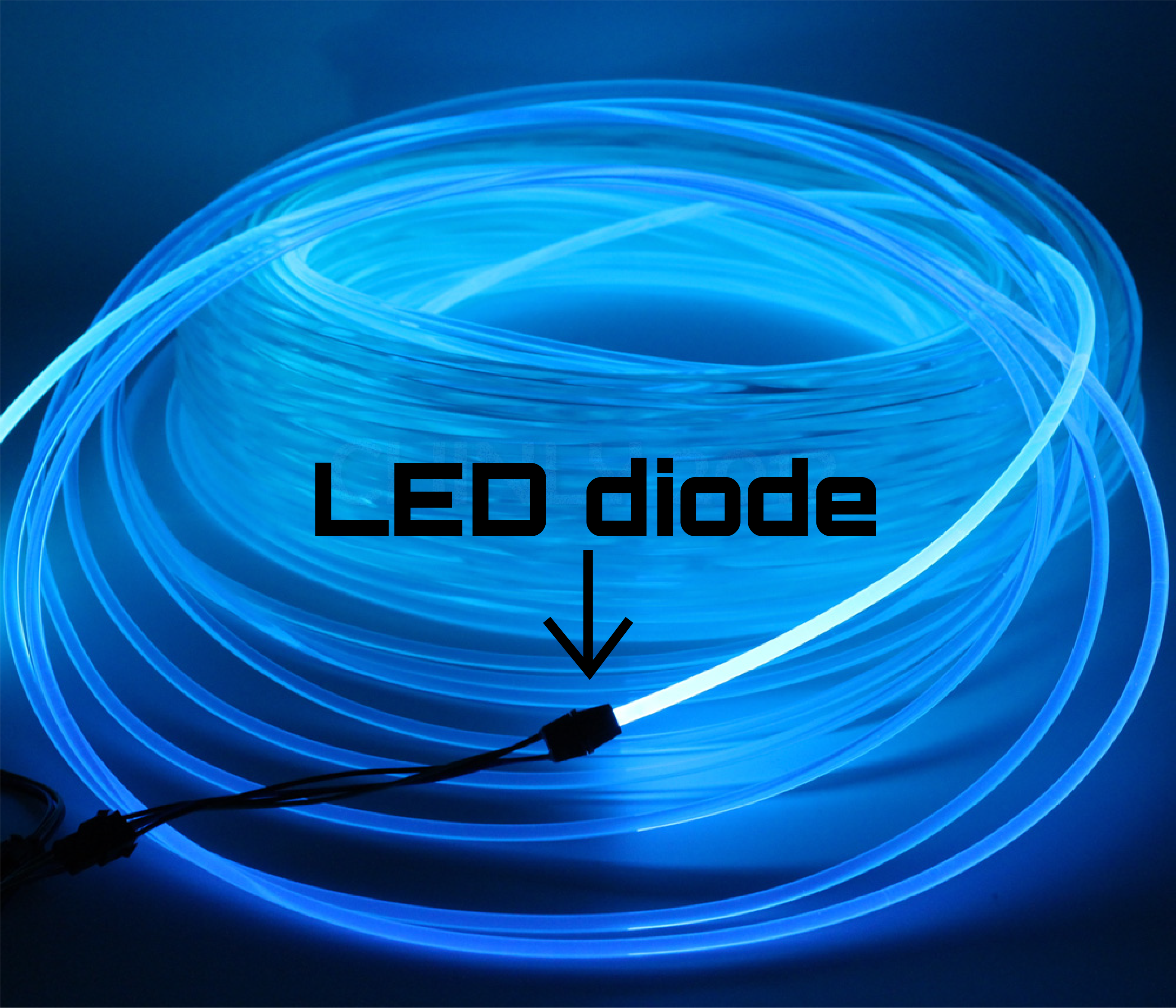
The main difference is where you are connecting strips/diodes with the suit. Fiber optic diodes are finished from the backside, so the technician needs to connect it. Some LED strips/diodes finish next to the strips, so dancers can connect them by themselves. It is important to notice this difference in case of spiral cords length, due to their different pre-measured sizes.
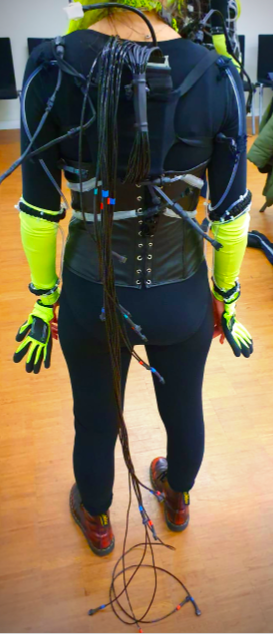
The second main difference is the intensity of costumes. The brightness of fiber optic is not, so intense compare to the LED strips. If you have a fully dark room for the show it does not really matter but if you don’t, it can be a problem. Not all events can fulfill your requirements for a full blackout. This is also a reason why the batteries last longer for LED strips – you simply use just 10% of total intensity for the show (8 hours for battery), while for fiber optic you need to use 70% (2 hours for battery). It is not a big deal due to our shows take approximately 5 minutes. You can have a problem just when you have suits for the very first time and you do a lot of rehearsals in them.

What is the conclusion?
Before starting you need to ask yourself:
- What kind of technology do I want to use? (analogue strips/fiber optic, digital or el wire)
- What is gonna be my skeleton? (plastic, textile different…)
- What kind of software do I need and how difficult is it to program in it? Do I need to pay a license every year or is it included in the suit’s price? Who will program my shows?
- What kind of hardware am I going to use for the LED suit?
- Is my LED suit enough flexible for dancing?
- Where am I gonna place the suit receivers with batteries?
- How can I wash the suit?
- Do I know how to make choreography for the LED show?
If you know the answers to all these questions, you are on a good way to make your own LED suit. We can help you with everything! After 6 years of experiences and the hundreds of successful shows worldwide.
You can watch our showreel here:
Do you have some questions or are you interested in buying our products? Do not hesitate to contact me HERE.